
What Is a Proxy Server? Proxy vs VPN Explained is a guide to how proxies and VPNs handle internet traffic, privacy, and security. A proxy server is a server that acts as an intermediary between your device and a destination. It may disguise your public IP address, filter traffic, cache information, and impose network regulations. A VPN can also route traffic through a distant server, but usually has an encrypted tunnel for more general traffic.
What Is A Proxy Server?
A Proxy Server is set up between a client and a destination on the internet. When you request a webpage, it receives that request, passes it along to wherever it has to go, receives the response, and transmits the response back to you.
One typical benefit is the IP address masking. Instead of your original public IP address, a website may see the proxy’s IP address. Depending on its setup, a Proxy Server can filter websites, block destinations, cache material, record traffic and enforce access rules.
Organisations use a Proxy Server to control outward web access, permitting approved sites and blocking dangerous categories. Google Cloud presents secure web proxy technology as a means to examine online traffic, limit outbound access, and log egress activity for inquiry.
However, not all Proxy Servers are encrypted. A simple proxy might just forward traffic, therefore sensitive information still has to be protected using HTTPS or other secure protocol. Microsoft acknowledges that proxy connections typically don’t give the same level of protection as VPN connections.
How Does A Proxy Server Work?
This is straightforward. Your browser or application makes a query to the intermediary, which transmits it and delivers the response. This provides a control point for filtering and access policies. HTTP proxies are generally used for web traffic, SOCKS proxies can be used for more apps and reverse proxies are used to safeguard backend applications.
Proxy vs VPN: What Is The Difference?
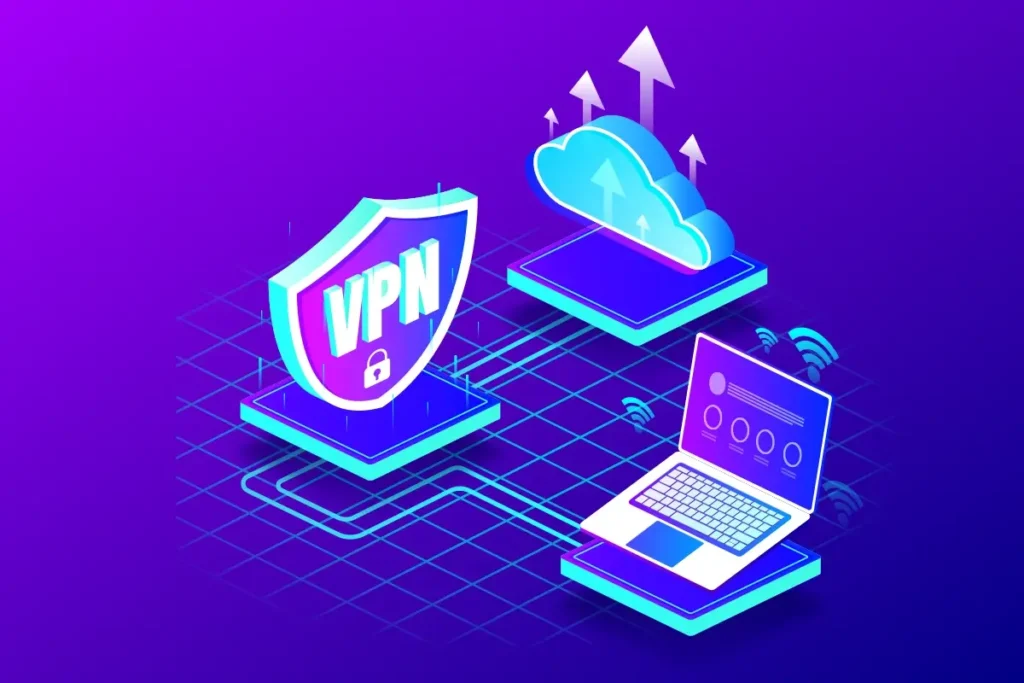
Both a Proxy Server and a VPN can change the IP address a destination sees but they are not the same.
The greatest difference is scope and encryption. A Proxy Server is usually configured for a particular browser, application or kind of traffic. Typically, a VPN creates an encrypted tunnel between your computer and a VPN endpoint so that traffic from various apps can be sent through this secure tunnel.
Microsoft says proxies hide IP addresses while VPNs secure information with encrypted connections. NIST advice identifies VPNs as secure remote access, using encryption for the traffic.
| Feature | Proxy | VPN |
| Hides public IP | Usually | Yes |
| Encryption | Not necessarily | Yes, when properly configured |
| Coverage | Often app/browser specific | Usually system or network wide |
| Web filtering | Strong use case | Possible |
| Remote corporate access | Limited | Common |
| Best for | Filtering and routing | Secure private connectivity |
A Proxy Server is good for filtering, caching and application customised routing. In general, a VPN is superior for securing traffic on untrusted networks or for accessing private resources.
Is A Proxy Server Secure?
Security relies on the proxy type, provider, configuration, and the traffic to be secured. A Proxy Server is not a full security solution by itself. Free or unknown services might track your activities, or use insecure tactics. Google has written on how rogue residential proxy networks can be used to obfuscate dangerous behaviour .
Use HTTPS and strong authentication to protect sensitive accounts. Organisations need to monitor logs, limit administrative access, patch their infrastructure, and set outbound rules. OWASP TLS guideline is concerned with securing data in transit . An intermediary is no substitute for encryption .
Real-World Examples
College or Office Network
Say a campus network with hundreds of machines. The administrator controls Internet access with a Proxy Server. Students can visit educational websites and research resources, and harmful destinations are restricted.
The proxy can cache resources and make logs for investigation. The primary benefit is centralised control.
Remote Employee Using a VPN
Think of an employee working from a coffee shop. The employee wants access to internal company applications while on public Wi-Fi. The firm does not give a simple proxy but a VPN.
The VPN sets up an encrypted tunnel to the corporate environment. NIST defines VPN technology as a technique that allows for secure remote access.
Proxy Server Advantages And Disadvantages
A Proxy Server can hide the IP of the client, filter web traffic, enforce policy, cache content, produce logs, and provide application specific routing.
Limitations include no auto encryption, limited application support, possibility of logging by the provider, and dangers of misconfiguration or untrusted providers.
Proxy Server Vs VPN: Which Should You Choose?
A Proxy Server is a web filter, cache, app-specific routing or controlled outbound access. It can be used in schools, offices, cloud and enterprise networks.
Choose a VPN for encrypted connection on an unknown network, secure remote access to private resources, or broader protection of device traffic.
No technology can ensure perfect anonymity. Websites can recognise users via cookies, browser features, account data, and other cues. The security of a VPN also depends on the provider and the setup.
How To Use A Proxy Server Safely?
If you use a proxy: pick a reputable or managed service, use HTTPS if possible, check logging policies, don’t use sensitive logins on untrusted services, patch software, restrict administration, monitor for unusual traffic, and integrate proxy controls with MFA, endpoint protection, firewalls, and secure DNS.
Conclusion
A Proxy Server is a valuable intermediary technology for routing, filtering, caching, logging and managing traffic. But it should not be automatically considered a replacement for encryption or a VPN. The proper choice relies upon what you are seeking to defend.
Web filtering and regulated application traffic can be effectively and efficiently handled by a Proxy Server. For encrypted remote access and securing data across untrusted networks , a VPN is usually the better choice . Whatever technology you use, integrate it with HTTPS, MFA, secure devices, software upgrades, monitoring and a clear security strategy.
Frequently Asked Questions
1. Does a Proxy Server hide my IP address?
Yes When you use a Proxy Server, the destination will see the proxy’s IP, not your device’s public IP. It does not provide any anonymity.
2. Proxy Server Vs VPN: Which One is Good?
That depends on your goal. A Proxy Server is great for filtering and routing . A VPN is usually best for encrypted , wider protection .
3. Do Proxy Servers encrypt my traffic?
A basic proxy does not encrypt all traffic by default. HTTPS is still vital for keeping sensitive information safe.
4. Can I use proxy & VPN at the same time?
Sure, but that can add complexity and overhead. For most users, a properly configured VPN is the easier way to get encrypted connectivity.
5. Are free proxy servers secure to use?
Not always. Free services can be poorly secured, or have unclear ownership or logging. Check the provider and do not send important information to an untrusted service.
Try Our Tools
Want to boost your everyday cybersecurity and online privacy? Try our tools at ExplainMeTech Tools to explore useful utilities from ExplainMeTech. Combine strong passwords, MFA, secure browsing, updated software and good security habits with the practical security solutions to help create a safer online experience.
References
OWASP – Transport Layer Security Cheat Sheet
OWASP TLS Security Guide
NIST – Guide to SSL VPNs (SP 800-113)
NIST Guide to SSL VPNs
Microsoft – What’s the Difference Between a Proxy Server & VPN?
Microsoft Proxy Server vs VPN Guide
Google Cloud – Secure Web Proxy
Google Cloud Secure Web Proxy
Microsoft Support – Use a Proxy Server in Windows
Microsoft Support: Use a Proxy Server in Windows
For more helpful technology, cybersecurity, and digital-security tips, visit ExplainMeTech.com and explore our latest guides, tools, and insights.