
UPI has changed the way people pay for food, bills, travel, shopping, and everyday activities in India. An even more convenient option could be the next big step—AI agents might eventually make some payments on behalf of users, eliminating the need to manually launch a UPI app and accept each transaction. AI agents will soon handle UPI payments in India: Here’s how it will work and whether it’s secure. This is the emerging concept of agentic payments, where an AI system can understand user instructions, follow established rules, and start qualifying transactions. The NPCI is developing standards for identifying and authorizing such digital agents while maintaining user consent and security safeguards.
What Are AI Agents?
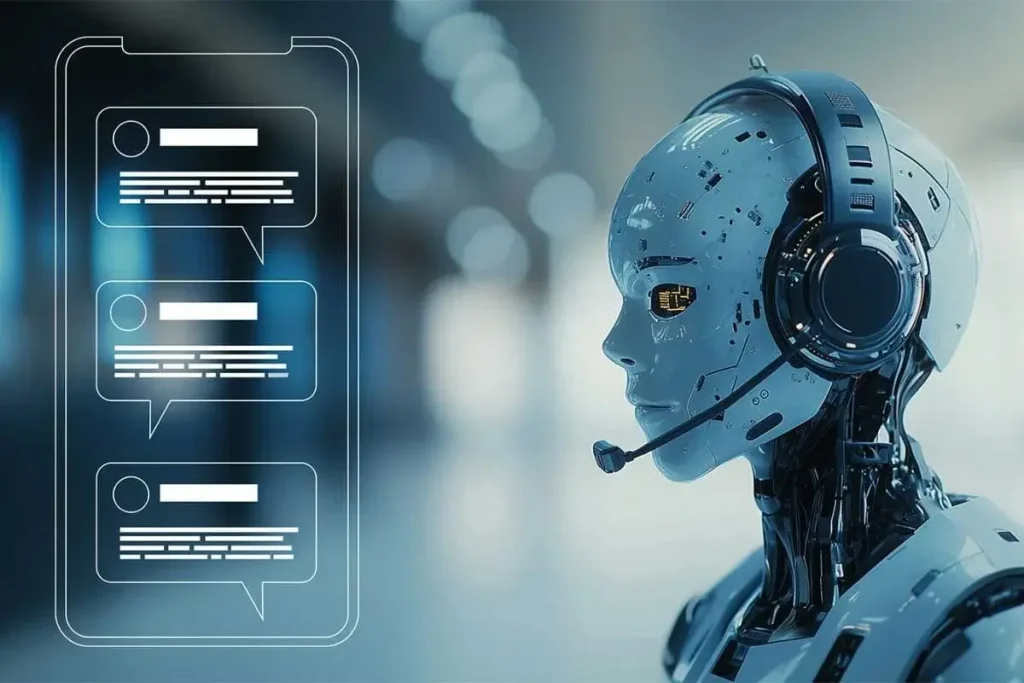
AI agents are software systems that understand instructions, make decisions within the constraints provided, access digital resources, and execute tasks with minimal human participation. AI agents can potentially act, unlike typical chatbots that just answer inquiries.
For instance, a user may tell an agent, “Pay my electricity bill when it is due as long as the amount is less than ₹3,000.” The AI agents can examine the bill, verify the amount, apply the user’s rules, and initiate the permitted payment.
In the future, AI agents could connect conversational interfaces to UPI infrastructure, banks, merchants, and other digital services. The real capabilities and constraints, however, will depend on the final framework laid forth by NPCI, participating banks, payment apps, and applicable rules.
How Will AI Agents Make UPI Payments?
There could be numerous phases in the fundamental process:
1. The user gives instructions
You decide what the AI agents are authorized to do. This information could be merchant category, max transaction amount, frequency, or duration.
2. The agent understands the request
The AI agents interpret the user’s natural language instruction and transform it into a structured payment task.
3. Identity and permission checks
The system would have to determine that the agent is authorized to act for the user before it acts. NPCI is apparently working on methods to identify and authenticate agents.
4. Payment rules apply
AI agents would verify expenditure limits, approved vendors, frequency of transactions, and other constraints.
5. Initiate UPI transaction
If the transaction is compliant with the criteria, the AI Agents may initiate the eligible payment using the authorized payment infrastructure.
6. The user receives confirmation
The system should maintain a clear record of what was paid, to whom, when, and why the transaction was allowed.
The big distinction is that AI agents wouldn’t be handed limitless access to a bank account. A secure design should limit what an agent may observe and what it can do.
What Could You Use AI Agents For?
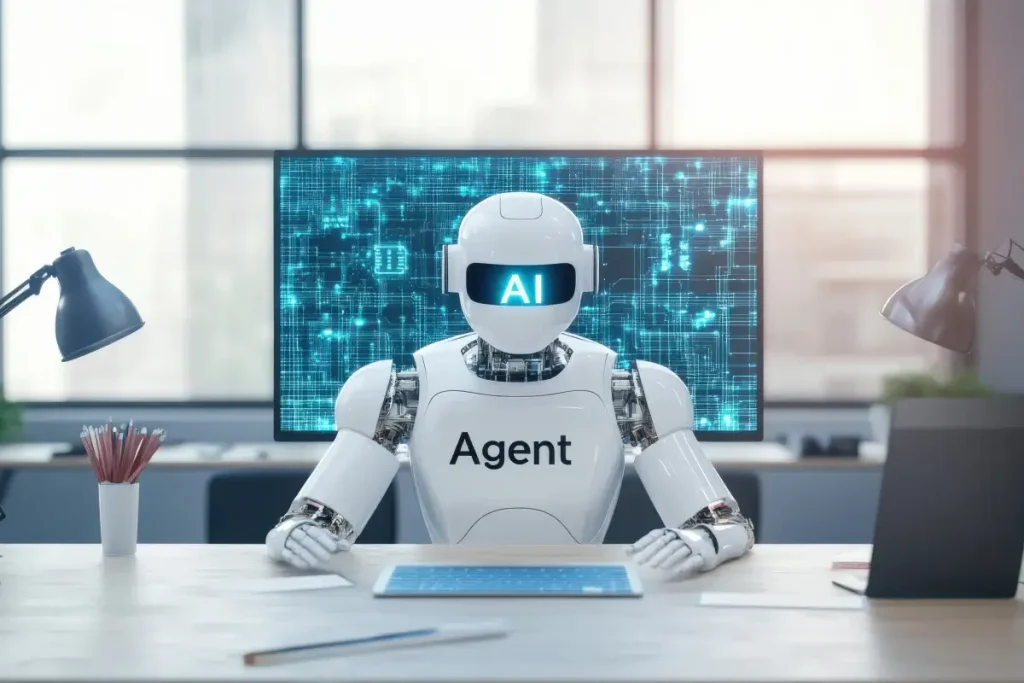
The most practicable early uses are expected to be for tiny, predictable, repeated payments. Reports suggest that India’s proposed agentic-payment system could initially target low-value everyday purchases, such as groceries. There can be more sophisticated exercises later on.
Possible applications such as:
- Buying groceries
- Regular bills at home
- Utilities bills
- Subscription charges
- Travel-related purchases
- Expenses of small business
- Planned budget shopping
AI agents can look out for a recurring fee and inform the user before it is paid. If the user has given the right permission, the system may be able to finish the transaction automatically.
Can AI Agents Make UPI Payments Safely?
The answer is maybe, but only with adequate security controls.
“To have an AI system initiate financial transactions is a different security problem than simply asking an AI a question. AI agents can communicate with external systems and utilize tools; therefore, a mistake, malicious instruction, compromised program, or excessive permission might result in actual financial penalties.
“Important security considerations for AI agents include risks such as prompt injection, excessive permissions, insecure tool use, data exposure, and insufficient agent testing,” OWASP says.
NIST also points out that autonomous artificial intelligence systems provide security problems since AI outputs are related to real-world systems and actions.
Thus, secure AI agents should employ:
- Strict limits on trades
- Robust authentication
- Minimum necessary permits
- Merchant and transaction allow lists
- Explicit user consent
- Transaction history complete
- Fraud detection
- Agent identity authentication
- Simple permission revocation.
- High-risk deal human approval
Microsoft also suggests that inputs to AI-generated tools be treated as untrusted and validated before execution.
What Are The Most Significant Risks?
One big risk is quick injection. An attacker could embed malicious instructions in a website, message, document, or other content that an agent consumes. by an agent. The agent may then act in error if it interprets that material as an instruction.
Another risk is over-permissioning. If an agent has more money or services than they need, a mistake could have a far greater impact.
The problem of erroneous decisions also exists. An agent may misunderstand a user’s command, select the wrong product, misread a bill, or approve a transaction that the user did not intend.
Fraudsters may attack agent credentials, associated applications, APIs, or user accounts.
AI agents need more restrictions for financial transactions than a normal conversational assistant.
Real Example
NPCI UPI Help Assistant
NPCI has already launched an AI-powered UPI Help Assistant, which is indicative of AI being a part of the UPI ecosystem. The assistant may answer inquiries relating to digital payments, help with transactions, and assist users in seeing and managing UPI mandates. UPI Help is also using FiMI, a domain-specific financial language model for India’s payments ecosystem, which NPCI also developed. UPI Help uses FiMI, a financial language model tailored for India’s payments ecosystem, which NPCI also created. also developed by NPCI.
This is not quite the same as fully autonomous UPI payments, but it does highlight how artificial intelligence can increasingly engage with services connected to payments.
Hello! UPI
Hello! from NPCI UPI marks another step toward conversational payments. Users can communicate with UPI in speech and regional Indian languages using compatible applications, telecom calls, and devices. The payment flow incorporates existing UPI controls like UPI-PIN authorization.
This is a useful example of how payment interactions might evolve from traditional buttons and menus to natural-language interfaces.
What Could Make AI Agents Safer?

The concept of “know your agent” that is evolving may become significant. In industry conversations around agentic payments, focus has been given to identity verification, authentication, customer consent, transaction limits, audit trails, and the ability to revoke permissions.
A safe system should also decouple the decision from the authorization. The agent might think a payment conforms to the user’s standards, but the payment infrastructure should verify if the agent is truly allowed to execute this payment.
This strategy can limit the effect of a compromised or controlled agent.
Users should deny agents free access. AI agents should be given just the permissions needed for the task at hand.
What Should Users Do?
Users should begin to cautiously employ agentic UPI payments if they arrive. Set low transaction limitations and, if possible, apply specific merchant or category restrictions.
Do not share your UPI PIN, OTP, password, or any other authentication secret with any AI system, ever. NPCI said users must not share their UPI-PIN, and UPI apps do not store or read the PIN.
Users should routinely check the authorization of payments, related applications, mandates, transaction notifications, and account activity.
The safest way to do so is to view AI agents as assigned digital helpers and not as free-wheeling financial decision makers.
The Future Of AI-Powered UPI Payments
Together, UPI and AI agents could make digital payments a lot more convenient. Consumers may simply explain what they want, allowing a controlled agent to handle the tedious tasks of finding products and entering payment information, instead of having to do it all themselves.
But convenience shouldn’t come at the expense of financial stability. AI agents should have well-defined boundaries, including authentication, authorization, monitoring, transaction limitations, and revocation.
India’s strategy for agentic payments has the potential to significantly advance digital commerce. The technology’s success will depend on how well AI agents grow and how securely they connect to financial infrastructure.
Conclusion
AI agents can transform India’s digital payment industry. Artificial intelligence and UPI together could someday empower AI agents to assist users in everyday payments, buying things, paying bills, and other financial activities based on detailed instructions. Strong security measures, such as Account lockout, authentication, and transaction verification, can help protect users from unauthorized access and fraudulent payments. This could lead to speedier, more convenient digital payments and less repetitious manual effort.
But the safety of AI agents will be down to effective security and user controls. Features like verified agent identification, explicit user consent, transaction restrictions, least privilege access, fraud detection, authentication, extensive activity logs, and simple permission revocation are critical. Do not disclose your UPI PIN, OTP, passwords, or any other sensitive credentials with an AI system.
Frequently Asked Questions
1. Are AI agents capable of making payments on UPI?
India is working on a framework for agentic payments that may enable authorized artificial intelligence systems to execute specific UPI transactions for users. The first emphasis will probably be on limited, low-value transactions rather than on unrestrained payments.
2. Will AI agents know my UPI PIN?
Users should never give UPI PIN to artificial intelligence (AI) systems. UPI authorization processes are designed to secure the user’s payment credentials.
3. Can AI agents spend unlimited money?
They shouldn’t. A safe agentic-payment system should have restrictions like transaction limits, permissions, identity verification, etc. to limit what the agent can do.
4. What happens if an AI agent makes a wrong payment?
This issue is one of the main difficulties for payment providers and regulators to solve. Clear transaction records, liability standards, fraud detection, authorization controls, and procedures for revoking agents will be important.
5. Are AI agents safe for UPI payments?
They could be made possibly safer with robust authentication, least privilege access, transaction limitations, monitoring, validation, and human approval of sensitive transactions. However, consumers should not believe that all AI payment systems are automatically secure.
Try Our Tools
Want to learn more about cybersecurity, digital safety, and technology? Visit ExplainMeTech’s tools page for important technology and cybersecurity tools that help you analyze, test, and secure your digital environment.
References
- NPCI – UPI Official Page
NPCI – Unified Payments Interface (UPI) - NPCI – Hello! UPI / Conversational Payments
NPCI – Hello! UPI - OWASP – AI Agent Security Cheat Sheet
OWASP – AI Agent Security - NIST – Security Considerations for AI Agents
NIST – Security Considerations for AI Agents - NIST – AI Agent Identity and Authorization
NIST – AI Agent Identity & Authorization
For more helpful technology, cybersecurity, and digital-security tips, visit ExplainMeTech.com and explore our latest guides, tools, and insights.